Garden Clearance Southgate: Recycling and Sustainability Commitment
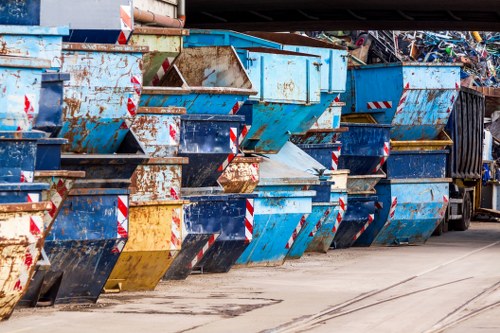 Garden Clearance Southgate places sustainability at the heart of every job. Whether we're delivering a small garden rubbish removal in a Southgate terrace or a larger tidy-up across the borough, our priority is to minimise the environmental impact by diverting as much material as possible from landfill into proper eco-friendly waste disposal areas and sustainable rubbish centres.
We work within the wider local approach to waste separation used by the borough, which typically separates food waste, dry recyclables and residual waste at the kerbside. Our teams respect those guidelines on-site, sorting green waste, timber, metals and inert materials into dedicated streams to match council transfer standards and support borough recycling schemes. Every clearance is handled with careful segregation to improve overall recovery rates.
 As part of our measurable sustainability program we have set a clear recycling percentage target: we aim to recycle 70% of all material collected from garden clearances within five years. This target is ambitious but grounded in operational changes we've introduced, from pre-sort sessions on-site to targeted partnerships that enable reuse of items in good condition. Small items such as pots, plant trays and usable timber are separated for reuse wherever feasible.
Practical Steps and Local Transfer Stations
Our teams make direct use of local transfer stations and processing facilities that specialise in green waste and mixed recyclables. We routinely route material to nearby facilities such as Edmonton EcoPark and authorised North London transfer stations that accept garden waste, wood chippings and metal. Routing to these facilities reduces haul miles and keeps waste within the regional circular economy.
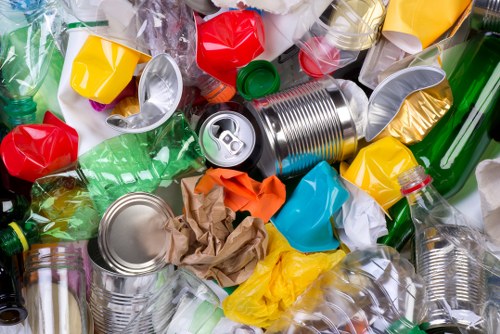 To cut carbon emissions and increase efficiency we schedule collections to optimise loads and avoid unnecessary journeys. Low-carbon vans — including plug-in hybrids and battery-electric vehicles — form a growing share of our fleet. These vehicles reduce tailpipe emissions on residential streets and align our garden clearance in Southgate with low-emission zone considerations and sustainable urban logistics principles.
We also employ load consolidation, meaning fewer trips to transfer stations and lower CO2 per tonne of material moved. Operational improvements like these directly support our recycling rate target while delivering a reliable garden rubbish removal service to Southgate residents.
Re-use, Charity Partnerships and Resource Recovery
One of the most effective ways to improve sustainable outcomes is by redirecting reusable items away from disposal. We partner with local charities and community groups to donate usable garden furniture, planters, soil in good condition and salvaged timber. These collaborations not only support local social causes but extend the life of materials, keeping them circulating in the community.
Partnerships include furniture reuse charities, community allotments and social enterprises that refurbish items for resale or direct reuse. Before any disposal we assess items for reuse and coordinate collections with these partners, ensuring those materials avoid the waste stream entirely whenever possible. This approach contributes to the sustainable rubbish area network in and around Southgate.
We also support local composting initiatives by separating biodegradable garden waste into clean green channels suitable for municipal or commercial composting. Separated green waste becomes a resource, returning nutrients to soil as compost or mulch rather than consuming landfill space.
 Compliance and transparency are central to our environmental policy. We maintain detailed records of tonnages sent for recycling, reuse and recovery, and we audit our routes to transfer stations to ensure material ends up in authorised facilities. Our reporting helps track progress toward our recycling percentage target and informs continuous improvement measures.
At the neighbourhood level we align our processes with the borough's waste separation guidance, making sure that when we return surplus soil or compostable material it meets council standards. We also communicate simple ways homeowners can help — such as pre-separating mixed loads or flagging reusable items before clearance begins — which improves sorting accuracy and reduces contamination rates.
 Future commitments: we will continue to increase the proportion of low-emission vehicles in our fleet, strengthen charity partnerships, and refine on-site separation practices to hit and sustain our 70% recycling target. By combining efficient logistics, responsible disposal at local transfer stations, and active reuse schemes, Garden Clearance Southgate is working to make every garden clearance an opportunity to support a greener, circular local economy.