Garden Clearance in Southgate
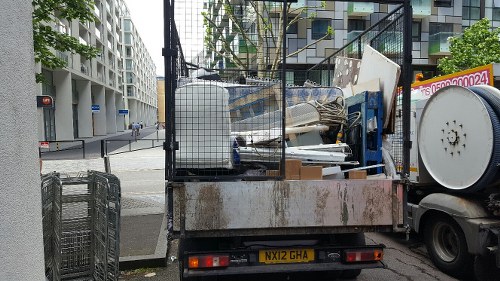
Garden clearance in Southgate needs a practical approach that deals with overgrown borders, fallen cuttings, mixed green waste and heavier outdoor items in one organised visit. We clear spaces so they can be replanted, repaired or simply made easier to use again, and we work with the contents of the garden rather than a one-size-fits-all assumption. That can include routine seasonal cutbacks, one-off clearance after a long gap in maintenance, or a fuller tidy-up where several types of outdoor waste have built up together.
The service is built around removing garden waste responsibly while keeping the process straightforward for householders and landlords. Useful items, reusable materials and obvious waste streams are separated where that is sensible, and the work is planned so access, gates, paths and side returns are handled without unnecessary disruption. If you need the space ready for planting, landscaping or the next stage of work, the aim is to leave a clear and manageable starting point.
When you request a quotation, it helps to describe the size of the garden, the type of waste present and whether there are any bulky pieces such as sleepers, pots, fencing offcuts or broken outdoor furniture. A short description of what needs shifting is usually enough to begin, and photographs can make estimating easier where a site has several different areas. If there are tight access points, shared entrances or items that need to stay in place, mention those early so the plan fits the job.
Garden waste clearance for tidy, workable outdoor spaces

Our garden waste clearance service covers the materials that build up after pruning, hedge work, weeding and general outdoor maintenance. That normally means branches, clippings, leaves, soil, turf, dead plants and other organic waste, but it can also include broken planters, old compost bags and miscellaneous items left behind in sheds or corners of the plot. The work is arranged to remove what is no longer wanted while keeping the remaining garden intact and accessible.
Where a garden has become difficult to navigate, we can clear pathways, open up beds and remove accumulations that are hiding the shape of the space. That is useful when the next step is light tidying, deeper restoration or handover to a gardener or landscaper. Garden clearance is often about more than lifting bags: it is also about separating what should stay from what is ready to go, so the outdoor area can be used sensibly again.
For mixed outdoor waste, the best results usually come from sorting the work into simple groups before anything is moved. One useful list might include:
- green waste from cutting, trimming and weeding
- bulky garden items such as broken pots or storage pieces
- light demolition waste from small outdoor repairs
- soil, turf and roots that need careful handling
Handling bulky outdoor items and awkward garden waste
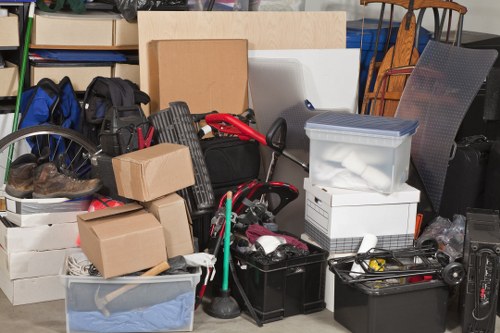
Some clearances are straightforward, but others involve objects that are heavy, muddy, weathered or simply awkward to carry. Old benches, broken wheelbarrows, damaged fencing, rotting sleepers and rusted metal can all sit alongside the usual plant waste. We approach these jobs by looking at the different materials first, then moving them in a sequence that avoids unnecessary backtracking and keeps the route through the garden as clear as possible.
Furniture clearance can be relevant where outdoor seating, storage pieces or household items have been left outside and now form part of the clearance load. Even when items are not intended for reuse, the key is to remove them cleanly and responsibly without damaging surrounding beds, paving or structures. This is particularly useful when a garden contains a mix of domestic and outdoor contents rather than only loose green waste.
Good access planning makes a notable difference to larger outdoor clearances. If there is a side gate, shared passage or narrow route between the house and the garden, we need to understand it before the work begins. The clearer the access picture, the easier it is to decide whether the job can be taken in stages, whether certain items should be separated first, and whether extra handling care is needed for surfaces, steps or slopes.
Clearance for overgrown, neglected or end-of-tenancy gardens
Some gardens need more than a quick tidy because the growth has been left for several seasons or because a property is being prepared for sale, rental or transfer. In those cases, clearance usually starts with the thickest and most obstructive material first: brambles, long grass, fallen branches and any debris that is covering paving or borders. Once the main build-up is removed, it becomes easier to see what further work is needed and what can be left for later attention.
Home clearance can be a useful related service where the garden forms part of a wider clear-out rather than a standalone outdoor job. For example, domestic clearances often include sheds, garages, side returns or items that have been stored outdoors for convenience. Bringing the outdoor work into the same plan can save duplication, provided the contents are sorted carefully and the scope is agreed before removal starts.
In neglected spaces, the aim is usually controlled reduction rather than a decorative finish. That means taking away the waste that is blocking use of the area, improving visibility and access, and leaving a sensible base for follow-on work. It is not about overpromising a complete redesign; instead, the benefit comes from clearing out what is in the way and creating a cleaner, more workable surface for whatever comes next.
How quotations for garden clearance are usually worked out
Quotation requests are easier to assess when the main variables are clear from the start. The volume of waste, the type of materials, the access route and whether any items are especially heavy or delicate all help define the likely approach. A small pile of cuttings in an open front garden is a very different job from a back garden full of mixed debris, damp soil and broken timber. Clear information makes the estimate more accurate and helps avoid unnecessary revisions later.
We also look at whether the clearance is limited to green waste or includes items that belong to other categories. For example, a garden may contain loose household rubbish, old fixtures or materials from a DIY project. Where that happens, the job may be better described as a mixed clearance rather than a pure garden tidy. Waste removal is the broader service area, and that distinction helps match the work to the right handling method.
If you are preparing to ask for a quote, it is sensible to mention whether the garden has restricted access, whether waste is spread across several spots, and whether there are any fixed features to protect. Photographs taken from different angles can help show the overall scale, but a written description of the waste types is just as useful. Keep the notes brief, practical and honest, and the quotation process becomes much easier to understand.
Materials, sorting and responsible disposal

Garden clearance is rarely just a matter of loading everything together. Different materials behave differently, so sorting matters. Green waste may be suitable for separate treatment from wood, metal, soil or mixed domestic debris, and some items may need to be isolated because they are sharp, damp, contaminated or too bulky for a simple lift. That is why a careful approach can make the work smoother and more responsible from start to finish.
Recycling and sustainability are relevant whenever clearance work produces a range of recoverable materials. While not every item can be reused or recycled, it makes sense to separate anything that can be directed appropriately rather than placing everything into one mixed pile. This is especially true on larger garden jobs where bags, branches, timber and metal may all be present together.
Responsible disposal also means avoiding guesswork about what is safe to leave in place. Rotten wood, hidden nails, sharp edging and unstable stacks can all create problems if they are moved without a plan. By dealing with the material categories sensibly, the job is less likely to cause damage to lawns, paving or planting beds, and the cleared space is left cleaner and easier to manage afterwards.
Garden clearance for sheds, fences and outdoor clutter
Gardens often collect more than plants and soil. Over time they can accumulate broken fencing, old shed contents, plant supports, spare paving, empty containers and other outdoor clutter that does not belong in an active garden but still has to be removed carefully. Clearance work in these situations is best handled by first deciding what is garden waste, what is household material and what is a bulky item that needs separate handling.
Garage clearance can be relevant where the garden is receiving items from nearby storage spaces as part of one larger declutter. Sometimes the outdoor space becomes the temporary holding area for old tools, packaging or equipment that no longer serves a purpose. Bringing those categories together in a planned way helps prevent the garden from becoming a dumping ground while work is underway.
It can also be useful to think about which parts of the garden are being kept in use and which are being cleared completely. A seating area, a vegetable bed or a side return may need different treatment from a border full of overgrowth. That distinction allows the clearance to follow the layout of the space rather than forcing everything through the same method, which is often the simplest way to preserve what still matters.
Southgate and the surrounding district
Southgate is a district in north London, within the London Borough of Enfield, and its character reflects both suburban expansion and an older village centre that developed around the historic turnpike route. Southgate Underground station, on the Piccadilly line, is one of the area’s best-known transport landmarks, while the name also recalls the former Southgate area that grew from the edge of Enfield Chase. The district includes residential streets, local shopping parades and a mix of early twentieth-century housing styles that give the area a varied but coherent look.
Green spaces are an important part of Southgate’s identity. Grovelands Park, with its lake and open parkland, offers one of the area’s best-known public landscapes, while nearby Broomfield Park provides another substantial place for walking, informal sport and community activity. The district also sits close to wider routes through north London, so its streets and local centres combine quieter residential character with convenient movement to neighbouring parts of Enfield and beyond. Historic buildings, later infill housing and everyday high-street uses sit alongside one another, which gives the area a layered urban feel rather than a single uniform style.
Southgate’s commercial and civic life is centred on local services, schools, churches and everyday amenities rather than a single large town centre. The area has a strong sense of local identity, shaped by its transport links, parks and residential streets, and it remains closely associated with north London suburban development. That combination of greenery, housing and established local routes gives Southgate a recognisable character that many people understand immediately, even if they know it through different parts of the district.
Domestic and landlord clearances with practical scope

Garden clearance is often requested as part of domestic maintenance, but it can also support landlord, letting and property management needs when an outdoor space has been left untidy between occupiers. In those cases, the priority is usually to remove what should not remain in the garden and to leave the area in a condition that is straightforward for the next stage of work. The service is still focused on the waste itself, not on landscaping or gardening as a separate profession.
House clearance may be the wider service where outdoor items are included alongside contents from inside the property. This can be helpful when the boundary between house, shed and garden is blurred because items have been moved around during a move, renovation or long period of storage. Keeping that wider perspective avoids the need to treat every part of the job as if it were isolated from the rest.
For customers wanting a quotation, the most useful next step is to set out the garden area, the waste type and any access constraints in plain terms. A clear note about what stays, what goes and what needs careful handling is better than a long explanation. If you want a simple, organised clearance plan, send the key details first and then ask for a price based on the actual work involved.
What to include when asking us to quote
The best quotations usually come from a short but complete description of the work. Start with the size of the garden or outdoor area, then add the main material types, whether the waste is piled or spread out, and whether anything is hidden behind barriers or in awkward corners. If there are items that need to be left untouched, say so clearly. This keeps the enquiry focused on the real scope rather than on generalities.
If the clearance involves several connected spaces, it helps to mention them together rather than sending fragmented notes later. For example, a front garden, side passage and rear yard may all need attention in the same visit, but each part may contain different kinds of waste. Where useful, pricing and quotes can be discussed against that fuller picture so the estimate reflects the size and nature of the job rather than an assumption.
When you are ready, ask for a quotation in the way that suits you best and include any timing preferences if they matter. The main aim is to give enough information for an accurate assessment without turning the enquiry into a long form. Plain facts are usually enough, and a tidy description of the job is often the quickest route to a clear response.